The first time Percy came back he was not sailing on a cloud. He was loping along the sand as though he had come a great way. “Percy,” I cried out, and reached to him— those white curls— but he was unreachable. As music is present yet you can’t touch it. “Yes, it’s all different,” he said. “You’re going to be very surprised.” But I wasn’t thinking of that. I only wanted to hold him. “Listen,” he said, “I miss that too. And now you’ll be telling stories of my coming back and they won’t be false, and they won’t be true, but they’ll be real.” And then, as he used to, he said, “Let’s go!” And we walked down the beach together.
One of the most salient things that I’ve been struck by, as the far-right movement has gained power and the country becomes increasingly fascist, is what I see as this movement’s potentially defining feature: its sociopathic lack of empathy. It’s every man for himself. And every animal, every ecosystem.
But when one person—or animal or ecosystem—suffers, we all suffer. And saying NO to this, in whatever ways we can, is an act of resistance.
Caring for our friends and family members and neighbors—showing them we care, doing what we can—is an act of resistance.
Love is an act of resistance. Joy is an act of resistance.
We can—and must—organize. We can and must find—and make—space for joy and connection. Fear—of what will come or that we can’t affect change—and apathy and pessimism—waiting it out, putting our heads in the sand—are what fuels this kind of darkness. The individuals behind this movement—and yes, there are particular people who benefit (corrupt politicians, tech billionaires, gas, oil, and healthcare industry execs, and so on)—want us to be separate and to feel afraid and powerless; it makes it easier to control us while they pillage. But we’re not powerless.
And when I say we must make space for joy, I don’t just mean “find ‘pockets’ of joy” or take what you can get, “just try and get through the next four years” or focus on “self-care” in the sense that that term is used now. Taking care of yourself is obviously paramount, and sometimes small things are what you can reach for and implement in a moment—lighting a candle, taking a bath, walking outside for 30 minutes, etc. But I mean radically making space for joy and connection, saying NO I will not submit, saying YES I love other people and we are together in this, even if (even though) we have monumental challenges ahead of and all around us.
The US Forest Service is exploiting a loophole in the Roadless Rule to back misguided management plans, say activists.
Will wrote in Earth Island Journal about protecting the Green Mountain National Forest against logging and about restoring wild, public lands in New England.
“There’s really kind of an epidemic of roadless logging in both New Hampshire and Vermont, in the White Mountain and Green Mountain National Forests,” says Zack Porter of Standing Trees.“Many thousands of acres at this point have been targeted. And many miles of roads have been punched into some of the wildest landscapes that we have in New England.”
I love the Hudson Valley, NY. Always have, always will. It is where I come from, and I am deeply connected to it.
The Hudson Valley, like the rest the country and the world, is already experiencing the effects of climate change. Read about the experiences of Hudson Valley farmers in The River.
For more on the Hudson Valley, listen to our conversation on end talk with fellow Hudson Valley native and writer Rob Rubsam, covering the region’s connection to NYC, the role of gentrification here especially during COVID, and more.
In the most recent episode of end talk we discuss gentrification, particularly in the context of COVID-19, community, and the projection of fantasy in the Hudson Valley with writer, Rob Rubsam. NYers, Hudson Valley folks, and anyone interested in these topics, I highly recommend listening.
Read Rob’s nuanced piece in The Baffler (published last April) here.
Listen to our episode here or search for it in any podcast app.
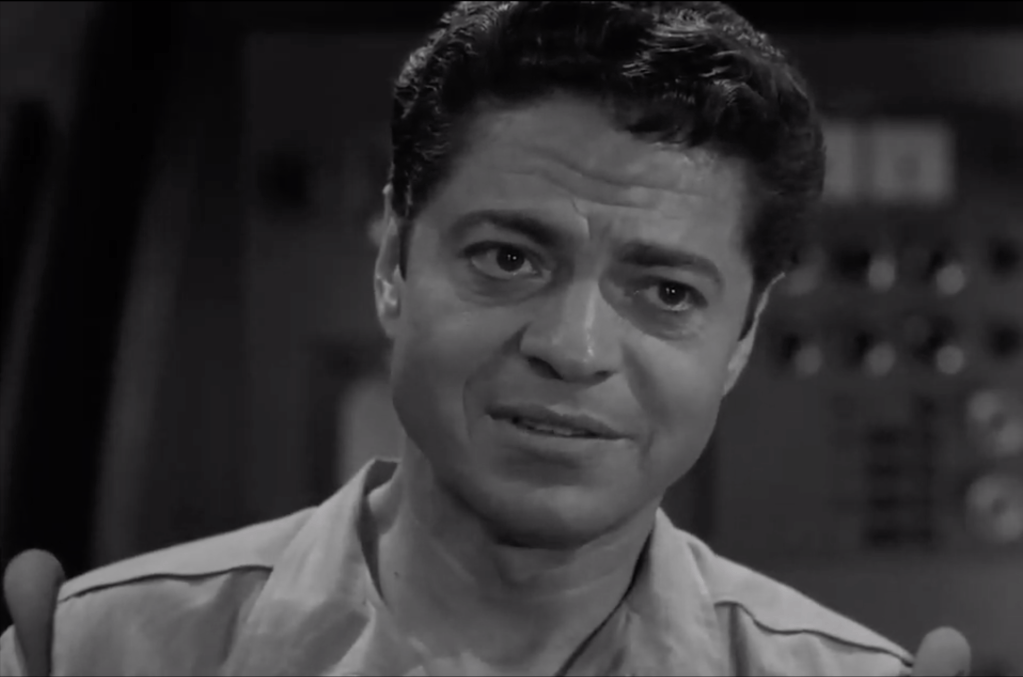
Check out the last issue of end talk:“Obama, no hero.” In issue 4 we reflect on Obama’s fraught legacy, Walter Benjamin’s “angel of history,” the Permian-Triasic mass extinction, a great episode of The Twilight Zone, some interesting wikipedia entries, and more. Like, share, and subscribe!

 cleothedog